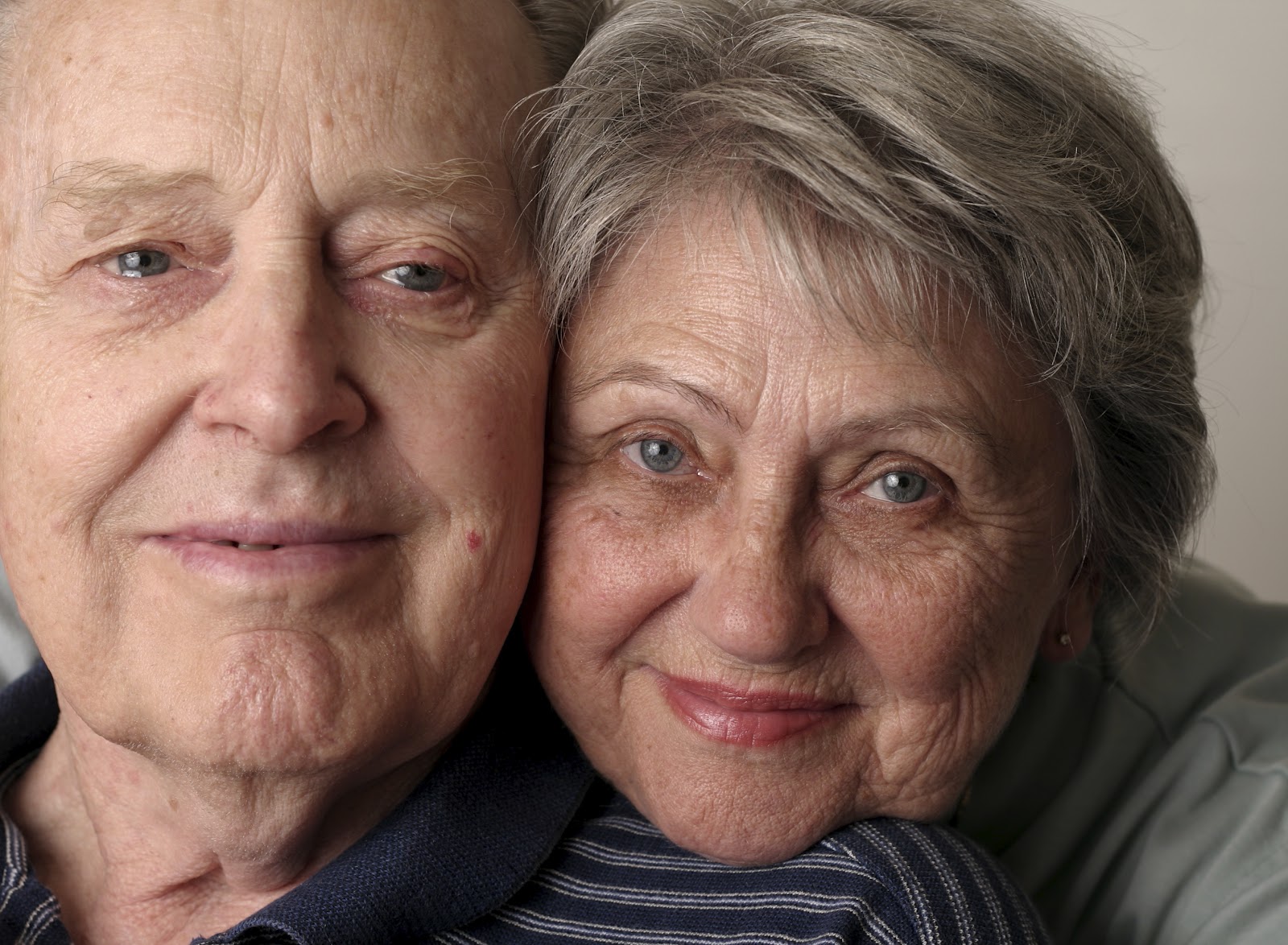
Alzheimer’s disease is a progressive degeneration of brain tissue that normally presents itself after age 60. It is the most common cause of dementia in older adults and begins with memory loss, leads to changes in emotional and physical functions, and ends in death. There is no cure for this disease. Currently, about 4.5 million Americans suffer from it and over the next 15 years or so that number is projected to nearly double as our baby boomer generation ages. These are the facts, but Alzheimer’s disease is more than just facts. It is a very personal illness that affects every part of a person’s social, mental, physical, and emotional being. A diagnosis of Alzheimer’s disease may be the most terrifying of all diagnosis because there is no current treatment that will stop its progression. Research has awarded physicians much more insight than ever before but still, there is no cure and the effects are out of our control.

The greatest hope to offer a person who is newly diagnosed is assurance that he or she is not, nor will he or she ever be, alone. To know that they are loved and supported and that their life will keep being valued as long as they live and even after they die may be the only assurance you can provide, but what could be better than that!
As a child, I watched as my great grandmother, Pearl, traversed through the final stages of Alzheimer’s disease. In her late stages, she lived in a nursing home about an hour away. During the summer, I went along with my grandma for visits. I watched as Grandma washed her mother’s hair, fed her the meal that she had prepared and brought from home, and took her for a stroll outside. It made me sad to see such a beautiful, dignified, and strong woman succumb to complete dependency. What I did not see until much later in life, was her legacy alive and well in my grandma as she proudly brushed her mother’s hair and loved on her baby doll. The strength and compassion that Pearl possessed in her years on Earth was passed to her children, giving them all the strength to care for her in the way she needed it most…with dignity and love. Alzheimer’s disease may have ended her life, but it did not define her life. Her legacy did, and it continues.
Alzheimer's disease is scary, but the best way to combat fear is knowledge. There are countless resources for caregivers of those with Alzheimer’s disease. Some of Absolute's favorites are
www.alz.org,
www.alzconnected.org, and
www.alzheimersreadingroom.com . They offer support and encouragement as well as education. The best piece of advice I have heard in regards to caring for one with Alzheimer’s is to take it a day at a time. For that person in the mid to late stages of Alzheimer’s disease, every day is new so why not approach their care in the same manner. Along with this advice, we have included some great tips from
www.webmd.com/alzheimers. They are simple and effective and can give you somewhere to start when caring for one with Alzheimer’s disease.
• Make time for yourself. Make sure you have time to relax. If necessary, enlist the help of other family members or even hire someone to help out.
• Learn as much as you can about your loved one's disease so you will know how you can help. You'll also understand what changes to expect in your loved one's behavior or symptoms.
• Help your loved one participate in as many activities in the home and outside the home as possible. Maintain the intricate balance between helping your loved one accomplish a task and actually doing the task for him or her. Allow the patient the time needed to complete daily activities on his or her own, such as dressing.
• Consult with your loved one about his or her family affairs. Although it's not easy to discuss these topics, you should be informed of your loved one's wishes regarding a living will, durable power of attorney, and do-not-resuscitate (DNR) order.
• Set realistic goals for yourself and your loved one. Do not attempt to do everything. By setting attainable goals, you are setting everyone up for success, rather than disappointment.
• Do not put your life on hold. Continue to meet with friends, participate in hobbies or groups, and maintain a schedule as normally as possible. You will feel more energized and are less likely to feel resentful in the long run.
• Have someone you can talk to. You are there for your loved one -- to listen and to offer support -- but you also need a support person. Talk openly and honestly with a friend or family member. If this is not possible, join a support group. Understanding that you are not alone and that someone else is in a similar situation helps you to feel nurtured.
Good luck and God bless!


 In order to pay tribute to this idea, our marketing department put together a client wide art contest, open to any of the clients of our Marked Tree Branch who would like to participate. We started small, with just one of our 26 counties of service, just to see how it would go. We gave each contestant a kit with everything they would need to create a watercolor painting. We set the ground rules and the time-line in a small manual and gave each client 8 words of inspiration to get started. After a month of painting, we collected the art, took it to a local artist to be judged and held an art showing and celebration just last week. During the show, we spoke about what each client painted, what things are most important to them and what advice they have to give younger generations. Those clients who participated varied in age and ability, but they all seemed to enjoy the challenge and especially the opportunity to share what inspires them with others. Each of the clients had their caregiver with them to celebrate, because they were a large part of the project start to finish. I was a great bonding experience for the caregivers and their clients as well as the branch employees because they all worked together in a new sort of way. Overall, the project was a success and will give rise to other fun projects like it in the future. Below we have shared a few more lovely photos of the Art of Caring Show and celebration.